A CBD For Cholesterol Success Story You'll Never Imagine


How CBD Interacts With Medication
Drug metabolism occurs throughout the body however it's a major component of what the liver does. It's a family of enzymes called CYP450 which is responsible. CBD is a binding agent for these enzymes and can alter the way that your body absorbs certain supplements or medications.
CBD, for example could interfere with the blood thinner warfarin (brand names Coumadin). This increases your risk of bleeding or swelling in the extremities.
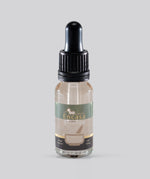
Effects
The most common treatment for high cholesterol is to reduce the amount of LDL cholesterol in blood, thus lowering the risk of heart disease. Statins can help lower cholesterol levels by blocking the production of cholesterol within the liver. CBD oil can also help with this, as it boosts HDL cholesterol levels and improves blood circulation. However, patients must discuss the use of CBD with their doctor prior to beginning a supplementation regimen. CBD interacts with several medications in various ways, which may alter the effectiveness of the medication and CBD. Drugs that are broken into smaller pieces by enzymes in the liver are likely to interact with CBD. This could result in an alteration of the amount of medication in the body resulting in undesirable effects or even toxic. Before purchasing any medication it is crucial that the purchasers study the product thoroughly and look for third-party laboratory tests.
CBD can increase the activity of PPAR receptors in cells that play a role in controlling metabolism and cell growth. The receptors are involved in the production of fatty acids, insulin, and the destruction of fat stores. Additionally, they are responsible for the production of nitric oxide and other substances that have a positive impact on cardiovascular health. This is the reason CBD is a potent anti-inflammatory, and it could be able to stop or slow the progression of certain diseases.
It is also believed that CBD could block the production of cholesterol in the liver and decrease the synthesis of triglycerides, which can reduce the risk of cardiovascular problems. Animal studies suggest that CBD usage can lower the risk of coronary heart disease through an increase in HDL cholesterol. More research is needed on this subject before the supplement is recommended to patients with cardiovascular diseases.
CBD is believed to interact with a wide range of drugs, including those used for cholesterol and other blood-related conditions. This is due to its interference with the cytochrome P450 enzyme system, which is responsible for breaking down a significant portion of prescription medications. A majority of the drugs that have grapefruit warnings on their labels are metabolized by these enzymes. When combined with CBD these drugs are less likely to be broken down and eliminated from the body. This can result in an excessively high dose of the drug.
CBD can also interact with warfarin. This anticoagulant is used to keep blood clots that are harmful from developing in the lungs, heart, or in the legs. This is because warfarin is transformed by the same enzymes that are blocked by CBD. This can increase bleeding risk and the time that warfarin is present in the bloodstream.
Interactions
CBD interacts with a broad range of medications and can alter the way the medication is metabolized by your body. This can cause undesirable or harmful side effects if the dosage is too high or not enough of the drug is present. CBD's ability to inhibit enzymes responsible for breaking down certain drugs is the primary reason behind the majority of these interactions. It is essential to inform your doctor you are taking CBD prior to trying any other medication. They can assist you in establishing plans to use CBD and medications and ensure that your levels are at the safest level.
CBD may interfere with the liver enzymes CYP3A4 or CYP2C19 which break down various kinds of medications. This can cause your body to break down the medication at a slower rate than if it was taken alone. It could also lead to you having more medication in your system than you need to treat your health issue.
Studies have demonstrated that CBD can increase HDL (good cholesterol) in the blood and decrease LDL cholesterol, thereby reducing the risk of cardiovascular disease. However, more studies are needed to discover the exact mechanisms that are behind this. Researchers published a study in the journal Recent Advances in Cannabinoid Physiology and Pathology in 2020 that discovered CBD activates CB2 to improve lipid regulation and offer cardiovascular protection.
The CBD-induced activation of the endocannabinoid endocannabinoid process is believed to be the reason through which it increases HDL cholesterol. cbd for cholesterol vasodilating effects of CBD might be another factor in this. This allows more blood flow in your blood vessels, thus reducing the stress on your cardiovascular system.
There is no evidence that CBD interacts with atorvastatin or pantoprazole. Both are drugs that treat high cholesterol. It may interact with warfarin, an anti-coagulant used to prevent clots from forming in the veins, lungs and heart following surgery. CBD can interact with warfarin through slowing its metabolism and prolonging the presence of the medication in your body, leading to a higher chance of adverse negative side effects.
While little research has been conducted to date regarding the interaction between CBD and Xanax, a commonly prescribed anti-anxiety medication there is reason to be concerned. CBD can reduce Xanax's effectiveness by reducing CYP in the liver. This enzyme is responsible for breaking down other medications. CBD can also increase the severity of Xanax's negative effects, like muscle soreness and the presence of a high blood sugar. It is advised to talk to your doctor if you are taking Xanax and thinking about CBD.
Dosage
CBD interacts with a set of receptors called G-protein receptors, which regulate a variety of body functions, including blood pressure and bone density. These receptors are also connected to inflammation, heart disease, and anxiety. Studies have shown that CBD is effective in interacting with these receptors, resulting in a natural solution to numerous health issues. It can be utilized to replace certain medications and decrease the adverse effects. It is important to consult your physician prior to making changes to your medication.
Drugs are broken down in the small intestine and liver through a variety of enzymes. Certain enzymes are affected by CBD and consuming CBD can boost the absorption and levels of some medications in the body. This can lead to an imbalance, which could cause adverse reactions. It is crucial to discuss any new supplements or herbs with your doctor prior to taking them.
Atorvastatin, also known as Lipitor, is a popular medication to lower cholesterol. It works by blocking the action of HMG-CoA reducetase which reduces the production of cholesterol in the liver. It is usually prescribed to patients with high cholesterol to lower their risk of suffering from stroke and heart disease. Atorvastatin may cause stomach pain, muscle spasms and diarrhea. CBD is not recommended while taking this medication. The interaction between atorvastatin and CBD is thought to be due to the fact that CBD is a substrate and moderate inhibitor of the CYP3A4 enzyme in the liver. This means that CBD could decrease the enzyme's activity and increase the levels of atorvastatin in the blood.
This combination may increase the risk of adverse side effects in people who are older. The interaction can also cause serious side effects, such as liver damage. This is why it is essential to consult your doctor before attempting CBD.
Inhaled CBD can attain a high concentration in bloodstreams within 30 minutes. This can have side effects like drowsiness or the feeling of sedation. It is advised to avoid combining CBD with other drugs that could affect the CNS.
Oral CBD dosage can vary depending on the individual. The dose is to be adjusted according to your health condition and the severity of its symptoms. The highest doses can result in anorexia and nausea. You should avoid using the oral form of CBD when you suffer from liver disease or are taking metformin. Both of these medications can increase the toxicity.
There isn't enough evidence to prove that CBD aids in lowering cholesterol or high triglycerides. The scientific community is still studying the potential benefits of CBD as an agent to lower cholesterol levels, but more research is needed to prove this. In the meantime, you must continue to take your prescriptions as directed by your doctor.